
Hypermobility Informed Services
Resolve Bodyworks is proud to be a resource for hypermobile bodies in the Richmond area. If you’re a returning client, thank you for your ongoing support! If you’re new here, we look forward to meeting you. Thank you for your trust!
Meet your providers below, and keep scrolling for FAQ related to these specialized services.
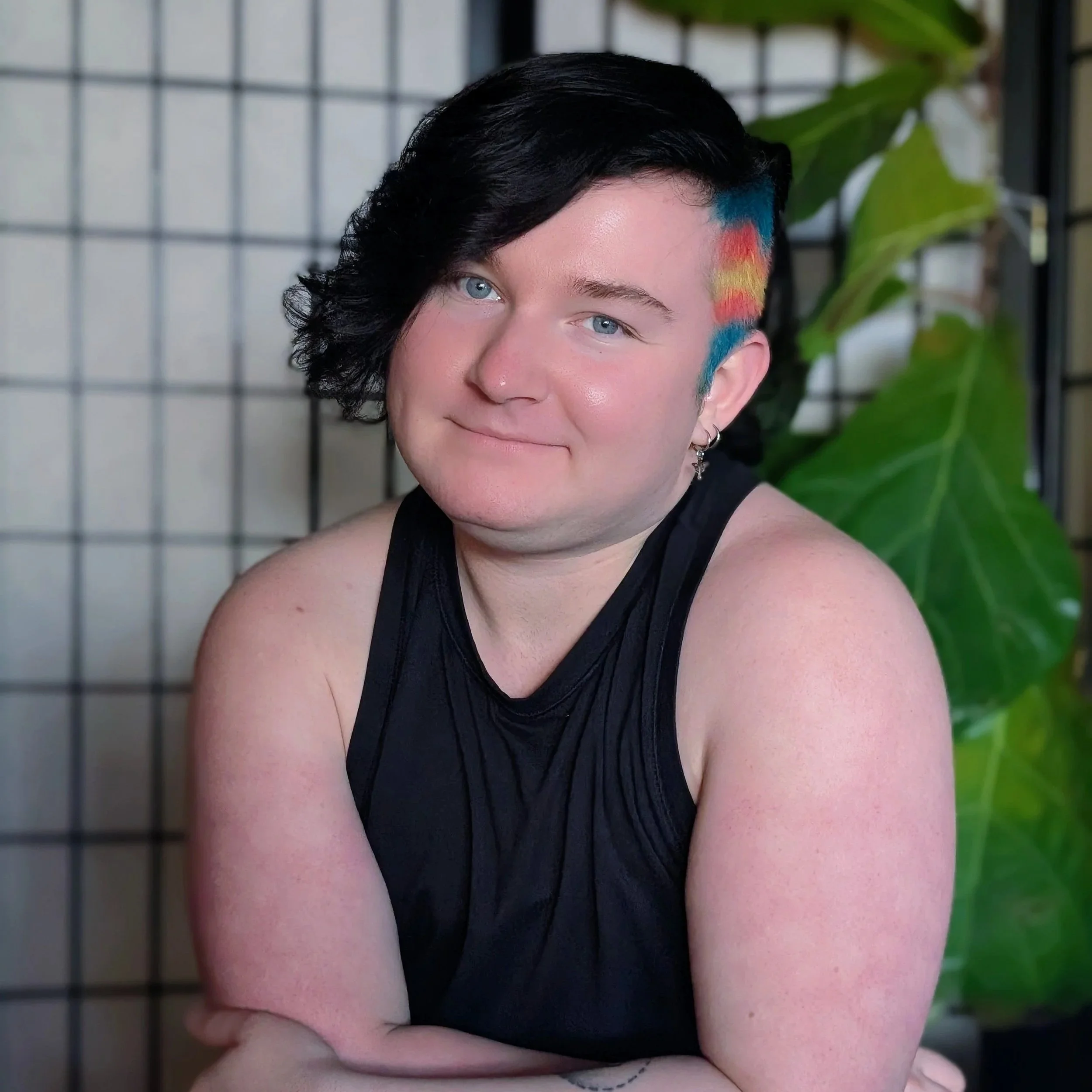
Sky Patrick, LMT
Hypermobile himself, Sky has an intimate understanding of the condition, and is passionate about helping hypermobile clients form more proprioceptive awareness in their daily lives. In practice, Sky implements detail-oriented pressure + structural balancing techniques to restore neutrality in muscles that are stuck in the battle of tension vs. laxity around hypermobile joints, while minding variations in pressure + traction used around different qualities of hypermobile skin.
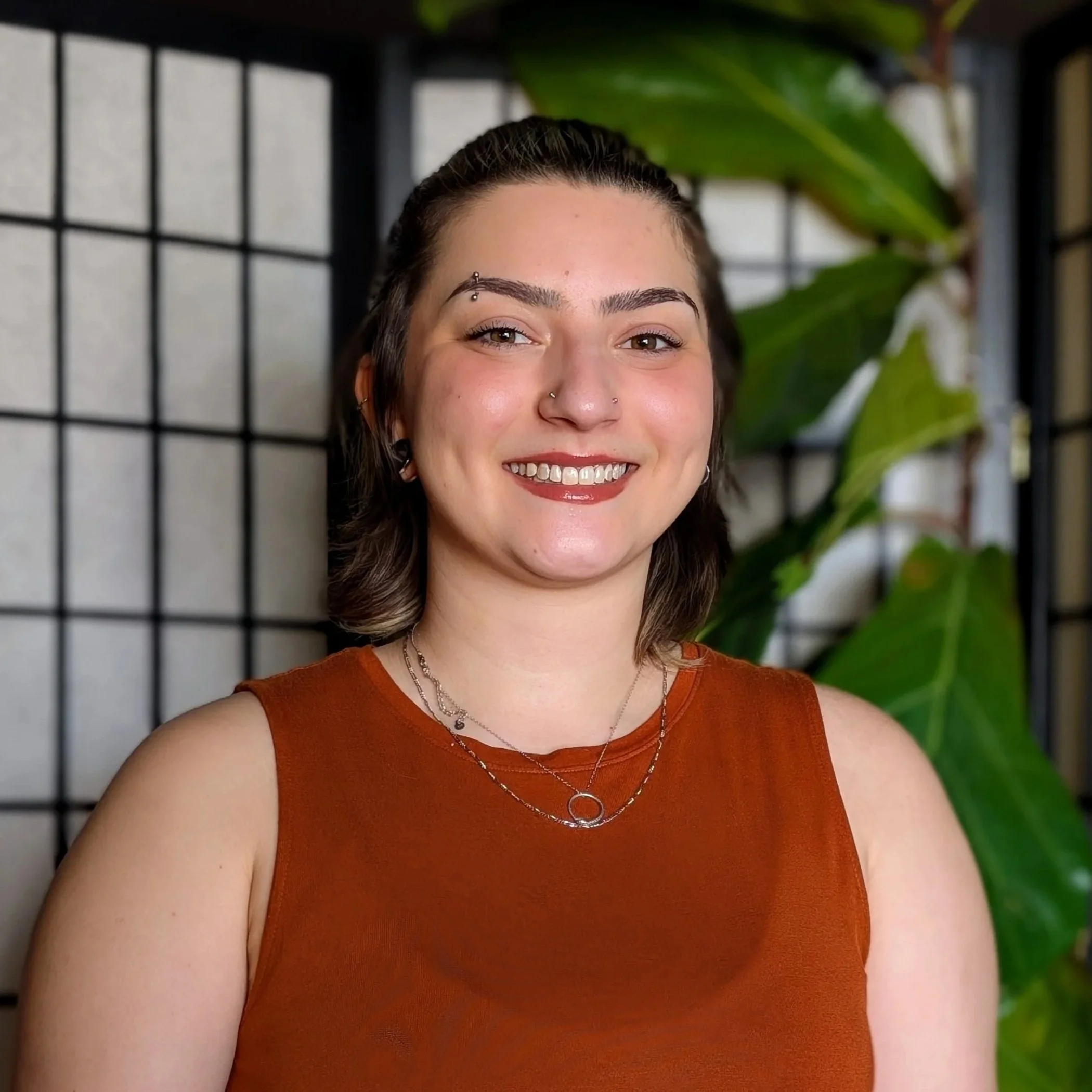
Millie Perez, LMT
Understanding that hypermobile bodies are generally overwhelmed, Millie prioritizes nervous system regulation for her hypermobile clients. Informed by Neuromuscular Therapy + structural balancing, Millie works with clients to identify muscular tension and laxity in order to interrupt recurring pain patterns and tissue dysfunction. Millie is particularly attentive to cervical instability and other connective tissue complications, ensuring pre-existing inflammation is not aggravated by the techniques used in-session.
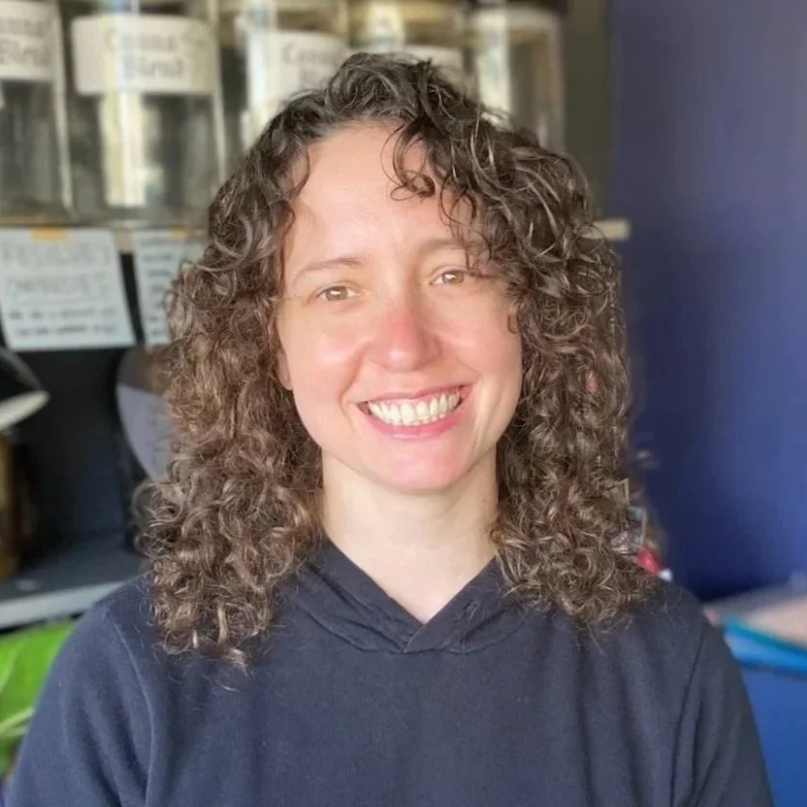
Kenna Cook, LMT, MLD-c
Deemed the “most hypermobile person” their Physical Therapist has ever met, Kenna is intimately familiar with how quickly a hypermobile body can “fall apart” when the wrong bodywork techniques are used. As such, Kenna offers Barnes Myofascial Release as the technique that “literally changed their life.” With the understanding that HSD/hEDS are spectrum disorders, Kenna prioritizes client communication around which MFR techniques are appropriate for their bodies, and where each client’s boundaries around safety lie.

Rowan Edelman, LMT
Rowan welcomes honest reality to their table. As someone personally familiar with hEDS and the strangeness that can come with “being bendy,” they understand how exhausting, inconvenient, baffling and mysterious living in a hypermobile body can be. In practice, Rowan offers hypermobile clients space to be 100% honest about what they feel in their own bodies, and to be met with respect + concrete consideration. Rowan's approach addresses postural restrictions by way of therapeutic massage and “slack” techniques, implemented in the most relaxing way possible.
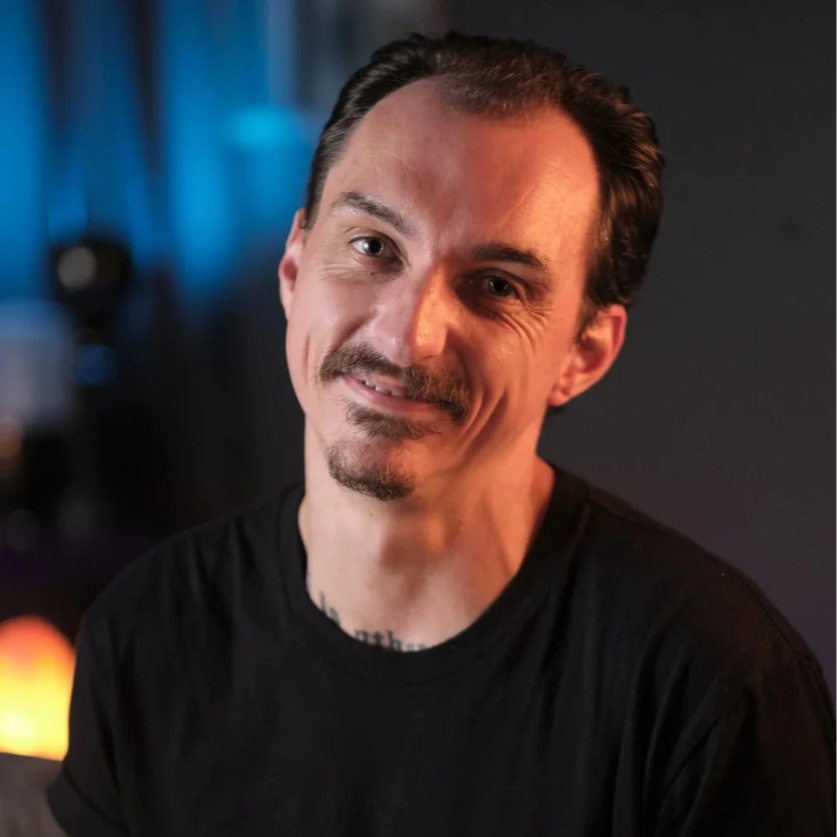
Tyler Keylon, LMT, EMT
Informed by his own cardiac complications, Tyler is acutely familiar with the body’s capacity for autonomic dysfunction and how difficult it can be to find stability. Equipped with an advanced understanding of anatomy, physiology + kinesiology, common sense (AND an EMT certification!) Tyler applies Orthopedic massage + Neuromuscular therapy modulation techniques to support his hypermobile clients in achieving their most sustainable experience of musculoskeletal balance.

Alex Robbins, LMT
Alex is passionate about long-term support for their hypermobile clients, in the way of injury prevention and delayed return to dysfunction. Trained in Barnes Myofascial Release, Alex uses techniques such as compression, positional release and “slacking” to support each hypermobile client’s mind/body proprioceptive development, encouraging movement within normative range of motion in their day-to-day lives.
FAQ
Who is this service for?
Hypermobility-Informed Massage and MFR services are for people living in hypermobile bodies. This includes those with hypermobility spectrum disorders, hypermobile Ehlers-Danlos syndrome, and asymptomatic hypermobility.
Are your other massage services safe for hypermobile clients?
Yes. All of our licensed massage therapists are trained to work safely with hypermobile clients by avoiding techniques that could aggravate joint instability. It's always important to disclose your hypermobility (including any diagnosis like HSD or hEDS) during intake so your therapist can tailor the session appropriately.
That said, our HSD/hEDS-informed service goes a step further: it's provided by practitioners who specialize in working with this population, not just around it. This service is designed for hypermobile bodies, not simply modified to be safe for them.
What kind of techniques are used in this service?
Our hypermobility-informed practitioners draw from a range of approaches tailored to unstable joints and connective tissue, including:
Joint support and stabilization: restoring neutral resting positions and reducing stress on joints caused by overworked, hypertense muscles
Structural balancing and neuromuscular therapy (NMT): identifying and releasing the specific muscles that are pulling joints out of alignment or causing pain patterns
Proprioceptive and body-awareness work: helping clients recognize and self-correct hyperextension in real time, building awareness they can carry outside of sessions
Myofascial release (MFR) and positional release/slacking: used cautiously, often starting with compression before any traction, and always within a normal range of motion
Nervous system–focused work: many hypermobile clients carry extra nervous system load simply from navigating an unstable body, so calming, regulating techniques are often incorporated
Detail-oriented, targeted pressure: applied precisely to areas that can tolerate and benefit from deeper work, rather than broad deep-pressure techniques
Because HSD/hEDS exist on a spectrum, your practitioner will work with you to determine what's appropriate for your body and any specific boundaries you have.
What kind of techniques are NOT used in this service?
We avoid deep pressure (especially directly over joints), aggressive traction, and any movement that pushes joints outside of a normal range of motion. When traction-based techniques (such as certain MFR approaches) are used, they're approached cautiously and only after other methods, like compression, have been tried first.